Lights Out, Screens On: How Downloaded Media Became America's Unsung Disaster Survival Tool
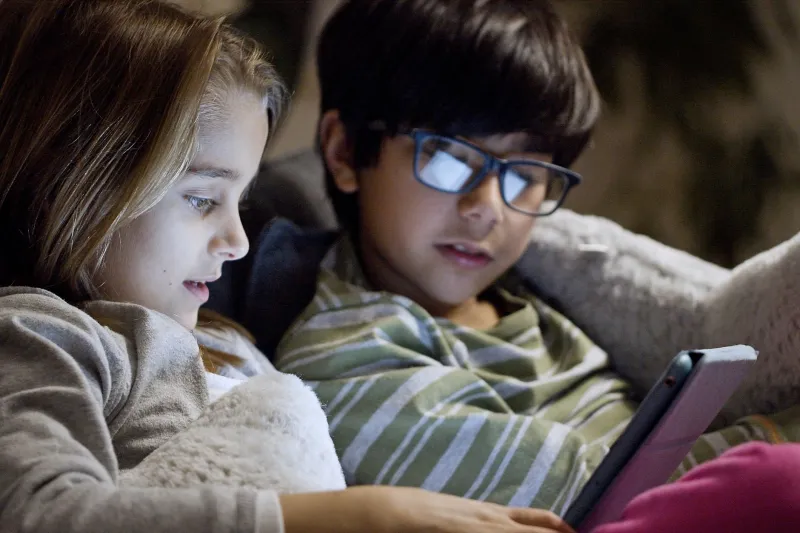
Every emergency preparedness checklist you've ever read tells you the same things: bottled water, flashlights, a first aid kit, a battery-powered radio. Nobody ever puts "downloaded movies and music" on that list. But after talking to families from the Gulf Coast to the Sierra Nevada foothills, it's clear that a well-stocked offline media library has quietly become one of the most underrated tools people reach for when everything else goes dark.
This isn't a feel-good fluff piece about binge-watching during a snowstorm. This is about real disruptions — days and sometimes weeks without power, without cellular data, without anything resembling a normal digital life — and the families who stumbled into a solution they never expected to need.
The Storm That Changed How One Louisiana Family Thinks About Entertainment
Take the Thibodaux family in Houma, Louisiana. When a major hurricane made landfall in the region a few years back, they lost power for eleven days. Cell towers were overwhelmed or down entirely. Streaming was completely off the table.
"The first two days were fine — adrenaline, cleanup, neighbors checking on neighbors," says Denise, the mother of three kids under twelve. "But then the kids hit a wall. They were scared, bored, and there was nothing to distract them from the stress of it all."
Her husband Marcus had, almost by accident, downloaded a handful of movies and a few seasons of a cartoon series to a tablet the week before — purely because they were planning a long road trip. That tablet became the household's most valuable possession during the outage. "We rationed it like food," Denise laughs. "One movie at a time. We'd charge the tablet off the car battery. It sounds small, but keeping the kids calm kept us calm."
After that experience, Marcus built what he calls a "media go-bag" — a dedicated tablet loaded with movies, albums, and audiobooks that stays charged and ready. It gets refreshed every few months with new content.
California Wildfire Season and the Offline Entertainment Habit
Out west, the calculus is different but the conclusion is the same. In communities near the foothills of Northern California, evacuation orders and rolling blackouts have become an annual reality. Families there have developed a quietly sophisticated relationship with downloaded content out of pure necessity.
Jorge, who lives in a community outside Chico — not far from where the Camp Fire devastated the area — describes a shift in how his household thinks about media entirely. "We used to be all-streaming, all the time. Then we had back-to-back years where we either evacuated or lost power for extended stretches. You realize pretty fast that the cloud doesn't help you when the infrastructure is gone."
His family now maintains what he half-jokingly calls their "bunker playlist" — a rotating collection of downloaded films, podcasts, and music albums stored across two devices. During last year's evacuation, parked at a relative's house in Sacramento, the kids had their shows and Jorge had his music. "It's not about luxury," he says. "It's about having something familiar when everything feels unfamiliar."
The Psychology of Entertainment During Crisis
It might be easy to dismiss downloaded media as a trivial concern compared to, say, emergency food supplies. But mental health professionals and emergency management experts have increasingly recognized the role that routine and comfort content plays in disaster recovery — especially for children.
Familiar stories, favorite songs, and beloved characters serve as psychological anchors during disorienting situations. When a kid can watch their favorite animated show on a downloaded tablet during a three-day blackout, it signals normalcy. It reduces anxiety. It gives parents breathing room to handle the actual logistics of the emergency.
This isn't speculation — it's something families living through these events describe repeatedly. The entertainment piece of disaster prep is undersold precisely because it sounds indulgent. But anyone who's spent a week in a darkened house with stressed-out children will tell you it's anything but.
Building a Resilient Media Library Before Disaster Strikes
So what does smart emergency media prep actually look like? Here's what the families we spoke with — and our own thinking at DownloadMing — suggest:
Dedicate a device. Don't rely on your primary phone. A cheap tablet or secondary device kept charged and loaded with content is ideal. If you have to evacuate, it comes with you and it's not doubling as your navigation tool or communication lifeline.
Prioritize variety and length. Long-form content is king in an outage. Download full seasons of shows rather than individual episodes. Include feature films, not just short clips. Mix in audiobooks and music playlists for when screen time needs a break.
Think about your whole household. Adults need content too — don't load the device exclusively with kids' shows. A couple of downloaded albums, a thriller or drama series, and maybe a documentary or two go a long way toward keeping everyone sane.
Refresh regularly. A disaster library that hasn't been updated in two years is going to feel stale exactly when you need it most. Build a habit of refreshing your offline collection every few months, swapping in new titles and keeping things interesting.
Plan for power. Downloaded content is only as good as the battery life of the device running it. Pair your media device with a quality portable battery pack. Charge both regularly. Some families even keep a small solar charger for extended outages.
The Shift That's Already Happening
What's interesting is that this behavior isn't being driven by emergency management campaigns or public service announcements. It's spreading organically, neighbor to neighbor, family to family, through lived experience. People who've been through a bad hurricane season or a week-long wildfire evacuation come out the other side with a different relationship to offline media.
And platforms that make downloading easy and accessible — offering broad libraries of films, TV, and music that users can actually keep on their devices — are quietly becoming part of the infrastructure of resilient households. Not because anyone planned it that way, but because real-world emergencies have a way of clarifying what actually matters.
The streaming wars get all the headlines. The algorithm debates dominate the cultural conversation. But out in the Gulf Coast, in the wildfire corridors of California, in the tornado alleys of the Midwest, a quieter story is unfolding. Families are building offline media collections not just for convenience — but because they've learned, the hard way, that connectivity is fragile and preparedness is personal.
Your entertainment library might be the most useful emergency tool you haven't packed yet.