Couch vs. Cinema: How 4K Downloads Are Winning the Living Room Battle

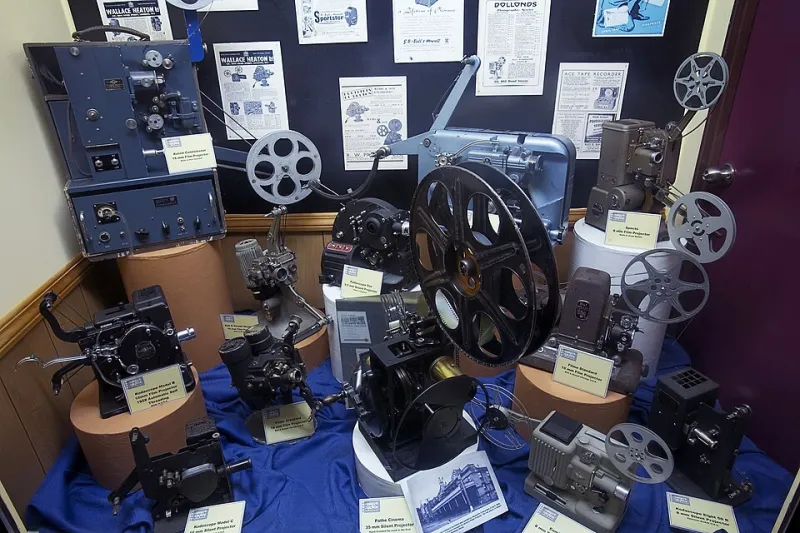
Photo: Internet Archive Book Images, No restrictions, via Wikimedia Commons
There was a time when going to the movies meant something. The sticky floors, the overpriced popcorn, the guy three rows back who couldn't stop coughing — somehow it was all part of the magic. But that romance? It's been quietly unraveling for a while now, and a very specific piece of technology is doing a lot of the unraveling.
High-quality 4K downloads have gotten so good, so accessible, and so affordable that a meaningful chunk of American film fans is genuinely choosing the living room over the multiplex. Not because they can't get out, but because they've decided they don't want to.
The Setup That Changed Everything
Walk into any Best Buy on a Saturday and you'll see the evidence. 65-inch OLED TVs are no longer a luxury splurge — they're a reasonable weekend purchase. Pair one of those with a decent sound bar or a proper surround system, and you've got something that would've made a home theater enthusiast in 2005 weep with envy.
Marcus Tello, a 38-year-old IT consultant from Phoenix, built out his home setup during the pandemic and never really looked back. "I've got an 85-inch Samsung QD-OLED, a Denon receiver, and a full 7.1 speaker arrangement," he told us. "When I downloaded Dune: Part Two in 4K HDR and watched it at home, I'm honestly not sure the theater would've beaten it. And I didn't have to pay $22 for a medium Coke."
That sentiment is showing up everywhere. The pandemic forced people to invest in home entertainment, and those investments didn't disappear when theaters reopened. They just created a new standard — and now the multiplex has to compete with it.
The Economics Are Hard to Ignore
Let's run the numbers, because they tell a pretty blunt story.
A night out at the movies for a family of four in a major US city — tickets, popcorn, drinks, maybe some candy — easily clears $100. Often more. And that's for a single viewing of a film you may or may not love.
A 4K digital download of the same movie? Typically somewhere between $5.99 and $24.99 depending on timing and platform. You own it. You can watch it whenever you want, pause it, rewatch your favorite scenes, and share the experience with anyone who happens to be on your couch.
For the serious film enthusiast who sees a dozen or more movies a year, the math shifts dramatically in favor of downloading. Even accounting for the upfront cost of a quality home setup, the break-even point arrives faster than most people expect.
Studio economics are feeling this pressure too. The theatrical window — the exclusive period before a film becomes available on home video or streaming — has been shrinking steadily. What used to be a 90-day lockout is now frequently closer to 45 days for major releases, and some studios have experimented with simultaneous theatrical and digital releases. That's not an accident. It's a response to where audiences are heading.
Picture Quality: The Gap Is Closing Fast
Here's the thing that the theater industry doesn't love talking about: not every multiplex is running a premium large-format experience. The majority of screens in America are standard digital projectors in rooms with mediocre acoustics and inconsistent calibration.
Meanwhile, a well-mastered 4K HDR download played on a properly calibrated OLED display is delivering Dolby Vision color and brightness levels that can genuinely rival — and in some cases exceed — what you'd see at your local 10-screen cineplex.
The premium theater formats like IMAX and Dolby Cinema are a different conversation. Those experiences still offer something a home setup can't fully replicate, at least not yet. But they're also a fraction of total screens, and tickets run $25 to $35 a pop.
For everything outside of those premium formats, the quality gap between theatrical and a high-end home download has become genuinely negligible for many viewers.
What the Studios Are Actually Doing About It
Hollywood isn't ignoring this shift — it's trying to thread a very tricky needle. Theaters remain crucial marketing engines. A wide release generates buzz, press coverage, and word-of-mouth that streaming and download launches simply don't replicate at the same scale. Blockbusters need that cultural moment.
So studios are playing both sides. They're protecting theatrical windows just enough to keep exhibitors from revolting while accelerating the path to premium digital releases. They're also investing heavily in the quality of those digital releases — Dolby Vision, Atmos audio mixes, and high-bitrate encodes that reward home viewers with a genuinely premium product.
For platforms like DownloadMing, this trend is a tailwind. As studios treat the digital release window with more seriousness and care, the content available for download is getting better — not just in terms of titles, but in terms of raw technical quality.
The Ritual Hasn't Died — It's Just Moved
None of this means the theater is dead. Far from it. Event films still draw massive crowds. Seeing Oppenheimer or Avatar in a packed house carries an energy that a living room — no matter how nice — can't fully manufacture.
But the idea that the theater is the default choice for most film watching? That's the part that's eroding. For casual viewing, for rewatches, for nights when you just want to experience a great film without the overhead and hassle, the downloaded 4K copy on your home setup has become the obvious call.
Jamila Osei, a film critic based in Atlanta, put it simply: "I still go to the theater for the movies that deserve it. But I've stopped feeling guilty about downloading the rest. The experience at home is just better than it used to be, and my time is worth something too."
That's the quiet revolution happening in American living rooms. Not a rejection of cinema — just a recalibration of when and why it's worth the trip.
And for anyone who's already built out a solid home setup, the answer to that question is becoming a lot more selective.