Commentaries, Deleted Scenes, and the Case of the Vanishing Bonus Disc
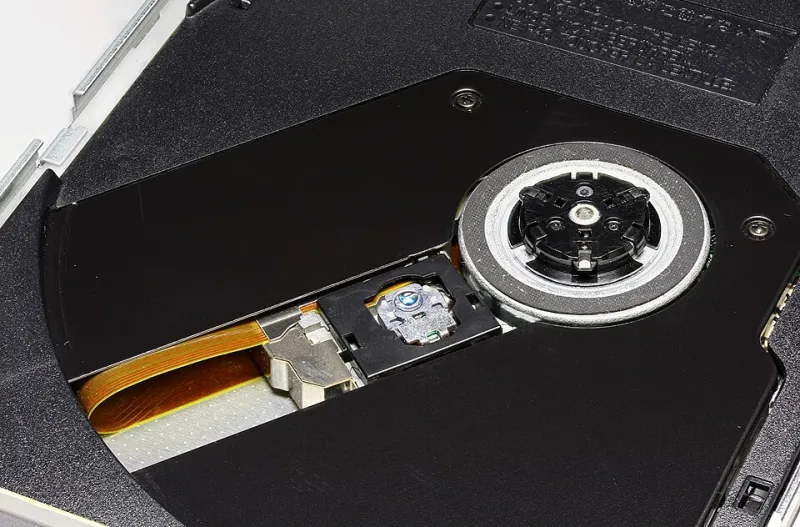
Photo: D-Kuru, CC BY-SA 3.0 at, via Wikimedia Commons
Rummage through a stack of DVDs from the early 2000s and you'll find something streaming basically deleted: a second disc. Two hours of commentary, forty minutes of deleted scenes, a making-of documentary shot on camcorder by somebody who clearly cared, storyboards, an isolated score, and a gag reel that has aged like milk in the best possible way.
For a whole generation of movie fans, that disc was the education. It's also the thing that quietly disappeared without a press release.
The bonus disc was a business model
Studios once treated extras as a competitive weapon. Criterion built an entire brand on scholarly commentary. New Line packed the extended editions of a certain fantasy trilogy with more appendices than the films themselves. Special editions were marketed on the strength of their supplements, and there was a stretch where the extras genuinely justified the double-dip repurchase.
Then discs stopped being the priority. Netflix wound down its mail-order disc service in 2023, Best Buy pulled physical media from its shelves in 2024, and the industry's center of gravity moved to catalogs where a film is a tile and a tile is a rental window. Extras became an afterthought — a tab that sometimes exists, sometimes doesn't, and sometimes quietly empties out when a licensing deal renews.
Where the extras actually went
Nobody deleted them. They just stopped being carried forward.
A streaming 'bonus features' section is usually a marketing asset, not an archive. It's populated at launch, refreshed rarely, and dropped when the contract changes hands. Commentary tracks are especially vulnerable: they're separately licensed, sometimes separately cleared for music, and they generate no subscription revenue on their own.
So the pattern looks like this. A film arrives with three featurettes. Eighteen months later it has two. Three years later the tab is gone entirely, but the film is still there — looking exactly like it always did, minus everything that explained how it got made.
Why losing them matters more than people think
Extras are film history written by the people who were in the room. A director's commentary is often the only long-form account of how a difficult scene was solved, why a studio fought a cut, or which actor was nearly fired. Deleted scenes are the evidence behind every argument about pacing.
They're also the entry point for fandom. Plenty of working filmmakers today got curious about craft because they listened to a commentary track at fourteen and realized movies are made by people with problems and deadlines, not by magic.
Strip that away and you get a catalog of extremely well-presented final products with no context whatsoever. Great to watch. Impossible to study.
Spotting a complete feature set before you commit
If extras matter to you, you can't assume. Here's what to check before a download earns a permanent folder:
- Read the release notes, not just the specs. A listing that documents commentary tracks, isolated scores, and featurette runtimes is doing you a favor. One that lists only video and audio streams is telling you something too.
- Look for disc-sourced releases. Anything derived from a physical special edition is far likelier to carry the full supplement package than a capture from a streaming service.
- Check for separate extras files. Some collections store featurettes as standalone videos rather than menus. That's fine — as long as you know where they live and keep them with the film.
- Verify commentary actually plays. Audio streams get mislabeled constantly. A 'commentary' flag with plain dialogue underneath is a common heartbreak.
- Note the edition. Theatrical, director's cut, extended, and unrated versions each have their own supplements. Mixing them up produces bonus material that references scenes you don't have.
The accidental archivist problem
Here's the awkward part: the people most likely to preserve bonus material are the people least likely to have planned for it. A collector downloads a special edition because they love the movie, keeps the extras because deleting them feels wrong, and ends up ten years later as the only person they know with a working copy of a forty-minute documentary that never made it to any streaming platform.
That's not a heroic role anyone signed up for. It's just what happens when you own files instead of renting access. Preservation has always been a side effect of collecting — the DVD wall was never really about the plastic.
What to rescue first
Prioritize the fragile stuff. Commentary tracks on mid-budget films from directors who've since stopped working. Making-of documentaries on practical-effects-heavy productions. Anything tied to a distributor that's been absorbed or dissolved. Region-specific extras that never crossed the Atlantic.
And keep them labeled. A folder called 'extras' with fourteen unnamed clips is a folder nobody opens.
The long game
Streaming gave us convenience and took the second disc. It's a fair trade for a lot of people, and that's fine. But the bonus disc was never filler — it was the part of the package that treated the audience like they might want to know something.
Rescuing that material is a small, unglamorous act of preservation. Do enough of it and the next generation of film nerds has somewhere to start.