The Digital Hoarder's Dilemma: Why Your Download Folder Is Full of Movies You'll Never Actually Watch
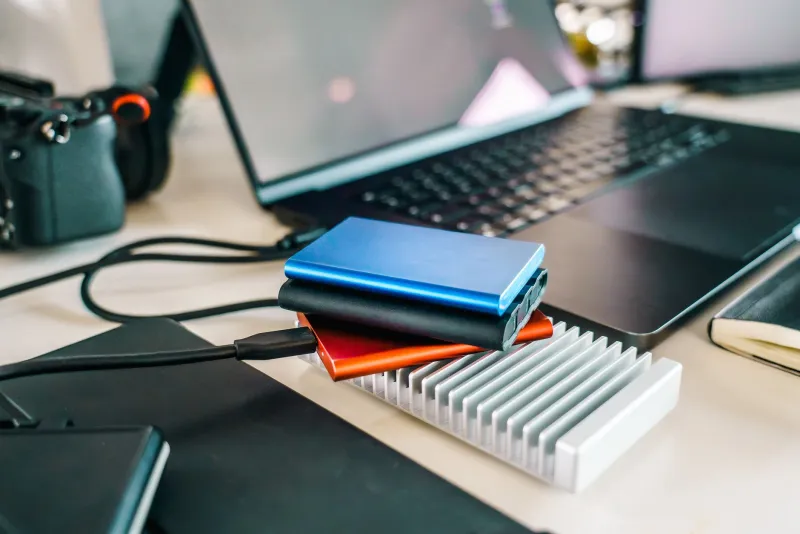
Somewhere on a hard drive you own — maybe an external one shoved in a desk drawer, maybe a NAS box humming in a closet — there are probably dozens of movies and albums you downloaded with full intentions of getting to "soon." That was two years ago. You haven't touched them since.
You're not alone. Not even close.
Digital media hoarding has quietly become one of the defining quirks of American entertainment culture. People aren't just downloading what they want to watch tonight — they're building vast personal archives of content they may never actually consume. And the more accessible downloading becomes, the worse the habit gets.
The "Just In Case" Mentality
There's a specific psychological itch that downloading scratches, and it has almost nothing to do with watching. Researchers who study consumer behavior have a name for it: acquisition satisfaction. The act of getting something — securing it, owning it — produces a small but real dopamine hit. The watching, reading, or listening comes second. Sometimes it never comes at all.
For digital media collectors in the US, this plays out in a very particular way. Streaming platforms have trained us to fear scarcity. Content disappears from Netflix. A beloved film vanishes from Hulu without warning. So we download defensively, stockpiling against an imagined future where we'll finally have the time and the mood to watch all five seasons of that Danish crime drama we've been meaning to get to.
The problem? That future rarely arrives on schedule.
"I have a folder called 'Watch This Weekend' that I created in 2021," admits Marcus, a 34-year-old IT manager from Austin who asked us not to use his last name. "It has 47 files in it. I've watched maybe four of them."
Storage Anxiety Is Real — And It's Growing
The flip side of compulsive downloading is the low-grade dread that comes with managing it. Hard drives fill up. Folders multiply. File naming conventions that made sense in 2019 become cryptic by 2024. What started as a curated collection starts feeling like a second job.
US tech retailers have noticed. External hard drive sales have tracked steadily upward over the past several years, and a significant portion of buyers cite media storage as their primary use case. The irony is thick: Americans are spending real money on physical hardware to store digital content they downloaded specifically to avoid paying for it repeatedly.
There's also the cognitive load. Every unwatched file in your library is, in a small way, a tiny outstanding obligation. Psychologists call this the Zeigarnik effect — uncompleted tasks occupy mental real estate in a way that finished ones don't. A download folder stuffed with unseen films isn't just cluttered storage. It's a low-level source of stress that follows you around.
"I actually felt better after I deleted like 200 things I knew I'd never watch," says Priya, a 29-year-old teacher from Chicago. "It sounds ridiculous, but it genuinely felt like cleaning out a closet."
Aspirational Collecting vs. Actual Watching
Here's the core tension: most people download for who they wish they were, not who they actually are.
The version of you that downloads three Criterion-adjacent art films on a Thursday night is an optimistic version. That person has long, uninterrupted evenings, a taste for subtitled slow cinema, and the patience for a three-hour runtime. The actual you, tired after work on a Tuesday, wants something familiar and easy.
This gap between aspirational and actual viewing habits is where download libraries go to die. The foreign-language films pile up. The documentary series about climate policy sits unwatched. Meanwhile, you rewatch The Dark Knight for the sixth time.
None of that is shameful — it's just human. But acknowledging it is the first step toward building a digital library that actually serves you.
Practical Strategies for a Smarter Collection
If your download folder has become a source of guilt rather than joy, here are some approaches that real collectors swear by:
The 72-Hour Rule. Before downloading anything, ask yourself: will I realistically watch this within the next three days? If the honest answer is no, put it on a wishlist instead. You can always come back to it. This single filter eliminates a huge percentage of impulse downloads.
Genre Batching. Instead of downloading whatever catches your eye, organize your collection into focused batches. Spend one month building out your horror library. The next, tackle classic Westerns. This creates a sense of theme and momentum that makes actually watching things feel more intentional.
The One-In-One-Out Rule. Borrow from minimalist wardrobe philosophy. Every time you add something new to your library, you have to either watch or delete something that's already there. It keeps the collection from ballooning and forces regular engagement with what you already have.
Honest Folder Audits. Once a quarter, sit down with your library and be ruthless. If a file has been sitting there for more than six months unplayed and you genuinely can't remember why you downloaded it, delete it without ceremony. The mental clarity is worth it.
Separate "Archive" from "Active" Content. Some things are worth keeping even if you don't watch them often — rare concert recordings, out-of-print films, childhood favorites. Give those a dedicated archive folder and stop letting them clutter your active watchlist. Treat your active library like a queue, not a warehouse.
The Collector's Mindset, Done Right
There's nothing wrong with building a personal media library. In fact, there's something genuinely valuable about curating a collection that reflects your actual taste — one that doesn't evaporate when a streaming service decides to restructure its catalog. That's a real, meaningful form of media ownership.
But the best collectors — whether they're building vinyl libraries, physical book collections, or digital media archives — share one trait: intentionality. They know why each item is there. They revisit things. They make choices rather than defaulting to accumulation.
The goal isn't the biggest folder. It's the most yours folder.
At DownloadMing, we're big believers in the idea that having access to great entertainment should feel liberating, not overwhelming. Your collection should be something you look forward to opening, not something you quietly avoid because it's gotten out of hand.
So maybe this weekend, before you download anything new, spend an hour with what you already have. You might be surprised what's been waiting for you all along.